Swiss Chard - Vegetable Seeds
Swiss Chard - Vegetable Seeds
Swiss Chard (Beta vulgaris subsp. cicla) is a vibrant leafy green vegetable known for its strikingly colorful stems and rich nutritional profile. This versatile plant thrives in various climates, making it a favorite among home gardeners and chefs alike. With its slightly earthy flavor, Swiss Chard can be enjoyed in salads, sautés, and soups, providing a delightful addition to any meal.
What makes Swiss Chard special is its ability to grow year-round in many regions, offering a continuous harvest. Packed with vitamins A, C, and K, as well as essential minerals like magnesium and potassium, Swiss Chard is a powerhouse of nutrition. Its unique ability to tolerate heat and cold makes it a resilient choice for gardeners.
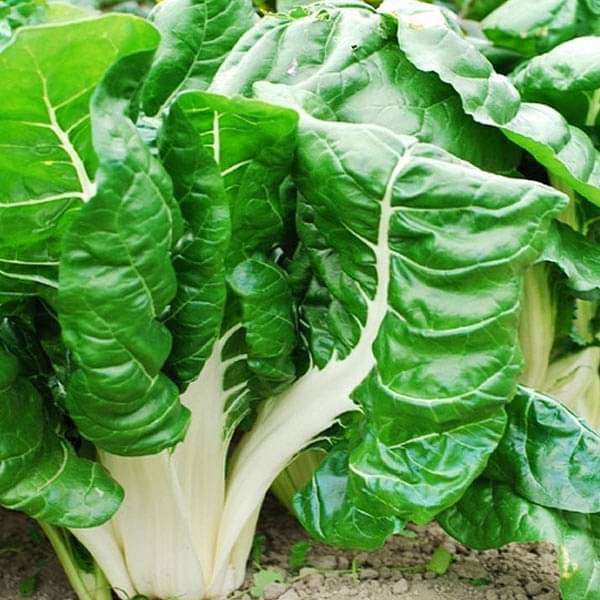
One of the standout features of Swiss Chard is its stunning visual appeal. The leaves are deep green, while the stems can be found in a rainbow of colors, including red, yellow, and white. This not only enhances the aesthetic of your garden but also makes it a popular choice for ornamental planting.
Growing Instructions:
- Plant seeds 1/2 inch deep in well-drained soil.
- Space seeds 12 inches apart in rows 18 inches apart.
- Optimal growing temperature is between 50°F to 85°F (10°C to 29°C).
- Water regularly to keep the soil moist but not soggy.
Care Instructions:
- Fertilize with a balanced fertilizer every 4-6 weeks.
- Mulch around plants to retain moisture and suppress weeds.
- Harvest leaves regularly to encourage new growth.
- Watch for pests like aphids and caterpillars; use organic pesticides if necessary.
Uses:
- Use fresh leaves in salads for a nutritious crunch.
- Sauté with garlic and olive oil for a delicious side dish.
- Add to soups and stews for added flavor and nutrition.
- Blanch and freeze for later use in various recipes.
Fun Facts:
- Swiss Chard is a member of the beet family and is closely related to sugar beets.
- It has been cultivated since ancient times, with origins tracing back to the Mediterranean region.
- Swiss Chard is known for its high antioxidant content, which helps combat oxidative stress in the body.
- Its vibrant colors are not just for show; they indicate the presence of beneficial phytonutrients.
Environmental Impact:
Growing Swiss Chard can positively impact the environment by promoting biodiversity in your garden. Its deep roots help improve soil structure and prevent erosion. Additionally, Swiss Chard is a low-impact crop that requires less water compared to other leafy greens, making it an eco-friendly choice for sustainable gardening.
More Images
Swiss Chard - Vegetable Seeds
Swiss Chard - Vegetable Seeds
Swiss Chard (Beta vulgaris subsp. cicla) is a vibrant leafy green vegetable known for its strikingly colorful stems and rich nutritional profile. This versatile plant thrives in various climates, making it a favorite among home gardeners and chefs alike. With its slightly earthy flavor, Swiss Chard can be enjoyed in salads, sautés, and soups, providing a delightful addition to any meal.
What makes Swiss Chard special is its ability to grow year-round in many regions, offering a continuous harvest. Packed with vitamins A, C, and K, as well as essential minerals like magnesium and potassium, Swiss Chard is a powerhouse of nutrition. Its unique ability to tolerate heat and cold makes it a resilient choice for gardeners.
One of the standout features of Swiss Chard is its stunning visual appeal. The leaves are deep green, while the stems can be found in a rainbow of colors, including red, yellow, and white. This not only enhances the aesthetic of your garden but also makes it a popular choice for ornamental planting.
Growing Instructions:
- Plant seeds 1/2 inch deep in well-drained soil.
- Space seeds 12 inches apart in rows 18 inches apart.
- Optimal growing temperature is between 50°F to 85°F (10°C to 29°C).
- Water regularly to keep the soil moist but not soggy.
Care Instructions:
- Fertilize with a balanced fertilizer every 4-6 weeks.
- Mulch around plants to retain moisture and suppress weeds.
- Harvest leaves regularly to encourage new growth.
- Watch for pests like aphids and caterpillars; use organic pesticides if necessary.
Uses:
- Use fresh leaves in salads for a nutritious crunch.
- Sauté with garlic and olive oil for a delicious side dish.
- Add to soups and stews for added flavor and nutrition.
- Blanch and freeze for later use in various recipes.
Fun Facts:
- Swiss Chard is a member of the beet family and is closely related to sugar beets.
- It has been cultivated since ancient times, with origins tracing back to the Mediterranean region.
- Swiss Chard is known for its high antioxidant content, which helps combat oxidative stress in the body.
- Its vibrant colors are not just for show; they indicate the presence of beneficial phytonutrients.
Environmental Impact:
Growing Swiss Chard can positively impact the environment by promoting biodiversity in your garden. Its deep roots help improve soil structure and prevent erosion. Additionally, Swiss Chard is a low-impact crop that requires less water compared to other leafy greens, making it an eco-friendly choice for sustainable gardening.
Product Information
Product Information
Shipping & Returns
Shipping & Returns
Description
Swiss Chard - Vegetable Seeds
Swiss Chard (Beta vulgaris subsp. cicla) is a vibrant leafy green vegetable known for its strikingly colorful stems and rich nutritional profile. This versatile plant thrives in various climates, making it a favorite among home gardeners and chefs alike. With its slightly earthy flavor, Swiss Chard can be enjoyed in salads, sautés, and soups, providing a delightful addition to any meal.
What makes Swiss Chard special is its ability to grow year-round in many regions, offering a continuous harvest. Packed with vitamins A, C, and K, as well as essential minerals like magnesium and potassium, Swiss Chard is a powerhouse of nutrition. Its unique ability to tolerate heat and cold makes it a resilient choice for gardeners.
One of the standout features of Swiss Chard is its stunning visual appeal. The leaves are deep green, while the stems can be found in a rainbow of colors, including red, yellow, and white. This not only enhances the aesthetic of your garden but also makes it a popular choice for ornamental planting.
Growing Instructions:
- Plant seeds 1/2 inch deep in well-drained soil.
- Space seeds 12 inches apart in rows 18 inches apart.
- Optimal growing temperature is between 50°F to 85°F (10°C to 29°C).
- Water regularly to keep the soil moist but not soggy.
Care Instructions:
- Fertilize with a balanced fertilizer every 4-6 weeks.
- Mulch around plants to retain moisture and suppress weeds.
- Harvest leaves regularly to encourage new growth.
- Watch for pests like aphids and caterpillars; use organic pesticides if necessary.
Uses:
- Use fresh leaves in salads for a nutritious crunch.
- Sauté with garlic and olive oil for a delicious side dish.
- Add to soups and stews for added flavor and nutrition.
- Blanch and freeze for later use in various recipes.
Fun Facts:
- Swiss Chard is a member of the beet family and is closely related to sugar beets.
- It has been cultivated since ancient times, with origins tracing back to the Mediterranean region.
- Swiss Chard is known for its high antioxidant content, which helps combat oxidative stress in the body.
- Its vibrant colors are not just for show; they indicate the presence of beneficial phytonutrients.
Environmental Impact:
Growing Swiss Chard can positively impact the environment by promoting biodiversity in your garden. Its deep roots help improve soil structure and prevent erosion. Additionally, Swiss Chard is a low-impact crop that requires less water compared to other leafy greens, making it an eco-friendly choice for sustainable gardening.