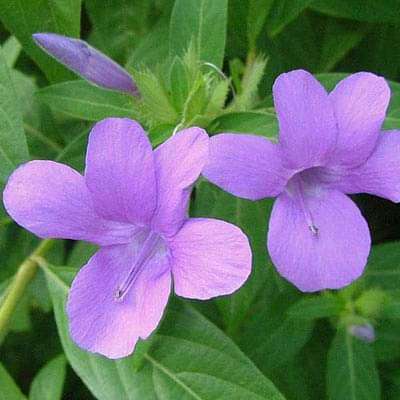
Mallotus philippinensis
Mallotus philippinensis
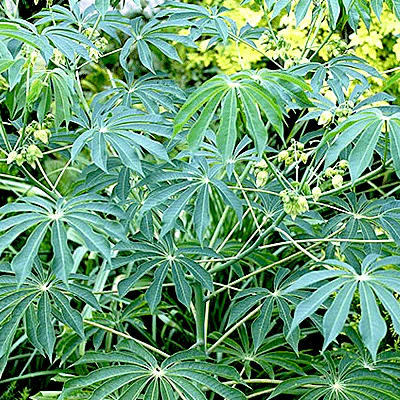
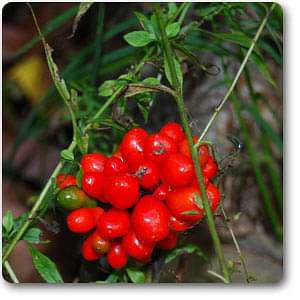
Mallotus philippinensis, commonly known as the Kamala tree, is a tropical tree native to Southeast Asia. This remarkable plant is renowned for its vibrant red-orange dye, derived from its glandular hairs, which has been used for centuries in traditional textiles and cosmetics. The tree can grow up to 15 meters tall and thrives in a variety of soil types, making it a versatile addition to any garden or landscape.
What makes Mallotus philippinensis special is its ecological significance. It serves as a habitat for various wildlife species and plays a crucial role in soil conservation. Additionally, its seeds are a source of food for birds and other animals, contributing to biodiversity. The tree's ability to adapt to different environments makes it a valuable asset in reforestation efforts.
One of the standout features of Mallotus philippinensis is its unique dye-producing capability. The dye, known as Kamala, is not only vibrant but also eco-friendly, making it a sustainable alternative to synthetic dyes. This natural dye has applications in textiles, cosmetics, and even food coloring, appealing to environmentally conscious consumers.
Growing Instructions
- Plant in well-drained soil with good sunlight exposure.
- Space trees at least 10-15 feet apart to allow for growth.
- Water regularly, especially during dry spells, but avoid waterlogging.
- Fertilize with organic compost during the growing season for optimal growth.
Care Instructions
- Prune regularly to maintain shape and remove dead branches.
- Monitor for pests and diseases; treat with organic pesticides if necessary.
- Mulch around the base to retain moisture and suppress weeds.
- Ensure adequate drainage to prevent root rot.
Uses
- Natural dye for textiles and crafts.
- Traditional medicine in various cultures for its anti-inflammatory properties.
- Seeds can be used as bird feed.
- Wood is suitable for making furniture and crafts.
Fun Facts
- Mallotus philippinensis has been used in traditional dyeing practices for over 2,000 years.
- The tree is often referred to as the "Kamala tree" due to its dye-producing capabilities.
- It is a fast-growing species, making it ideal for quick reforestation projects.
- The dye extracted from the tree is not only vibrant but also biodegradable, making it an eco-friendly choice.
Original: $2.69
-70%$2.69
$0.81Mallotus philippinensis
Mallotus philippinensis
Mallotus philippinensis, commonly known as the Kamala tree, is a tropical tree native to Southeast Asia. This remarkable plant is renowned for its vibrant red-orange dye, derived from its glandular hairs, which has been used for centuries in traditional textiles and cosmetics. The tree can grow up to 15 meters tall and thrives in a variety of soil types, making it a versatile addition to any garden or landscape.
What makes Mallotus philippinensis special is its ecological significance. It serves as a habitat for various wildlife species and plays a crucial role in soil conservation. Additionally, its seeds are a source of food for birds and other animals, contributing to biodiversity. The tree's ability to adapt to different environments makes it a valuable asset in reforestation efforts.
One of the standout features of Mallotus philippinensis is its unique dye-producing capability. The dye, known as Kamala, is not only vibrant but also eco-friendly, making it a sustainable alternative to synthetic dyes. This natural dye has applications in textiles, cosmetics, and even food coloring, appealing to environmentally conscious consumers.
Growing Instructions
- Plant in well-drained soil with good sunlight exposure.
- Space trees at least 10-15 feet apart to allow for growth.
- Water regularly, especially during dry spells, but avoid waterlogging.
- Fertilize with organic compost during the growing season for optimal growth.
Care Instructions
- Prune regularly to maintain shape and remove dead branches.
- Monitor for pests and diseases; treat with organic pesticides if necessary.
- Mulch around the base to retain moisture and suppress weeds.
- Ensure adequate drainage to prevent root rot.
Uses
- Natural dye for textiles and crafts.
- Traditional medicine in various cultures for its anti-inflammatory properties.
- Seeds can be used as bird feed.
- Wood is suitable for making furniture and crafts.
Fun Facts
- Mallotus philippinensis has been used in traditional dyeing practices for over 2,000 years.
- The tree is often referred to as the "Kamala tree" due to its dye-producing capabilities.
- It is a fast-growing species, making it ideal for quick reforestation projects.
- The dye extracted from the tree is not only vibrant but also biodegradable, making it an eco-friendly choice.
Product Information
Product Information
Shipping & Returns
Shipping & Returns
Description
Mallotus philippinensis
Mallotus philippinensis, commonly known as the Kamala tree, is a tropical tree native to Southeast Asia. This remarkable plant is renowned for its vibrant red-orange dye, derived from its glandular hairs, which has been used for centuries in traditional textiles and cosmetics. The tree can grow up to 15 meters tall and thrives in a variety of soil types, making it a versatile addition to any garden or landscape.
What makes Mallotus philippinensis special is its ecological significance. It serves as a habitat for various wildlife species and plays a crucial role in soil conservation. Additionally, its seeds are a source of food for birds and other animals, contributing to biodiversity. The tree's ability to adapt to different environments makes it a valuable asset in reforestation efforts.
One of the standout features of Mallotus philippinensis is its unique dye-producing capability. The dye, known as Kamala, is not only vibrant but also eco-friendly, making it a sustainable alternative to synthetic dyes. This natural dye has applications in textiles, cosmetics, and even food coloring, appealing to environmentally conscious consumers.
Growing Instructions
- Plant in well-drained soil with good sunlight exposure.
- Space trees at least 10-15 feet apart to allow for growth.
- Water regularly, especially during dry spells, but avoid waterlogging.
- Fertilize with organic compost during the growing season for optimal growth.
Care Instructions
- Prune regularly to maintain shape and remove dead branches.
- Monitor for pests and diseases; treat with organic pesticides if necessary.
- Mulch around the base to retain moisture and suppress weeds.
- Ensure adequate drainage to prevent root rot.
Uses
- Natural dye for textiles and crafts.
- Traditional medicine in various cultures for its anti-inflammatory properties.
- Seeds can be used as bird feed.
- Wood is suitable for making furniture and crafts.
Fun Facts
- Mallotus philippinensis has been used in traditional dyeing practices for over 2,000 years.
- The tree is often referred to as the "Kamala tree" due to its dye-producing capabilities.
- It is a fast-growing species, making it ideal for quick reforestation projects.
- The dye extracted from the tree is not only vibrant but also biodegradable, making it an eco-friendly choice.