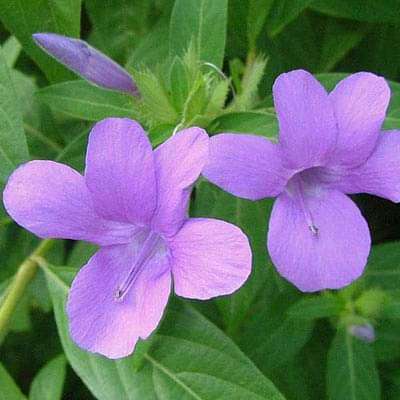
Carissa congesta - Plant
Carissa congesta - The Wonderberry Plant
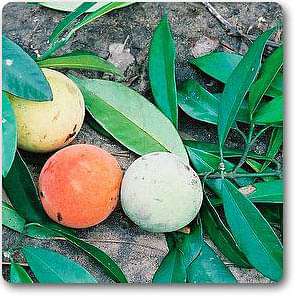
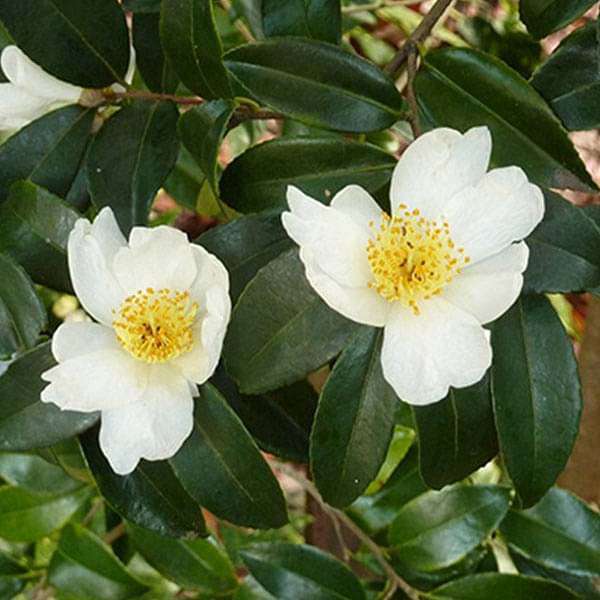
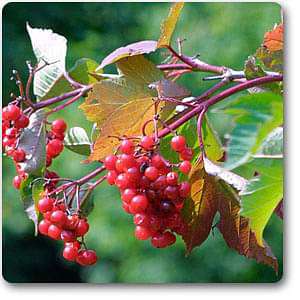
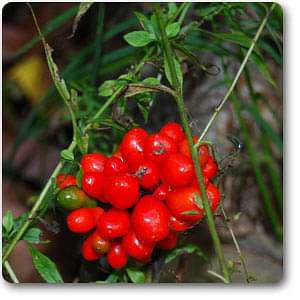
Carissa congesta, commonly known as the Wonderberry or Natal Plum, is a resilient evergreen shrub native to South Africa. This versatile plant is celebrated for its glossy green leaves and fragrant white flowers, which bloom throughout the year, followed by small, edible red fruits. The berries are not only delicious but also packed with vitamins and antioxidants, making them a nutritious addition to your garden.
What sets Carissa congesta apart is its adaptability to various soil types and climates, thriving in both tropical and subtropical regions. Its ability to withstand drought conditions makes it an excellent choice for sustainable gardening. Additionally, the plant's dense foliage provides excellent ground cover, helping to prevent soil erosion.
One of the most special features of Carissa congesta is its dual-purpose nature; it serves as both an ornamental plant and a source of edible fruit. The berries can be enjoyed fresh, made into jams, or used in desserts, adding a unique flavor to your culinary creations.
Growing Instructions
- Plant in well-draining soil with a pH of 6.0 to 7.0.
- Choose a sunny location, as Carissa congesta thrives in full sun.
- Space plants 3 to 4 feet apart to allow for growth.
- Water regularly during the first year; once established, it is drought-tolerant.
Care Instructions
- Prune annually to maintain shape and encourage new growth.
- Fertilize with a balanced fertilizer in spring for optimal growth.
- Monitor for pests like aphids and scale; treat with organic insecticides if necessary.
- Mulch around the base to retain moisture and suppress weeds.
Uses
- Edible fruit can be eaten fresh or used in jams and jellies.
- Leaves can be used in traditional medicine for their anti-inflammatory properties.
- Ideal for hedges, borders, or as a standalone ornamental plant.
- Attracts pollinators, enhancing biodiversity in your garden.
Fun Facts
- Carissa congesta is known for its resilience, often surviving in poor soil conditions.
- The plant has been used in traditional African medicine for centuries.
- Its fruit is rich in vitamin C, making it a natural immune booster.
- In some cultures, the berries are considered a delicacy and are often used in festive dishes.
Environmental Impact
Carissa congesta plays a significant role in promoting biodiversity. Its flowers attract various pollinators, including bees and butterflies, while its dense foliage provides habitat for small wildlife. Additionally, its drought-resistant nature makes it an excellent choice for sustainable landscaping, helping to conserve water resources.
Original: $2.69
-70%$2.69
$0.81Carissa congesta - Plant
Carissa congesta - The Wonderberry Plant
Carissa congesta, commonly known as the Wonderberry or Natal Plum, is a resilient evergreen shrub native to South Africa. This versatile plant is celebrated for its glossy green leaves and fragrant white flowers, which bloom throughout the year, followed by small, edible red fruits. The berries are not only delicious but also packed with vitamins and antioxidants, making them a nutritious addition to your garden.
What sets Carissa congesta apart is its adaptability to various soil types and climates, thriving in both tropical and subtropical regions. Its ability to withstand drought conditions makes it an excellent choice for sustainable gardening. Additionally, the plant's dense foliage provides excellent ground cover, helping to prevent soil erosion.
One of the most special features of Carissa congesta is its dual-purpose nature; it serves as both an ornamental plant and a source of edible fruit. The berries can be enjoyed fresh, made into jams, or used in desserts, adding a unique flavor to your culinary creations.
Growing Instructions
- Plant in well-draining soil with a pH of 6.0 to 7.0.
- Choose a sunny location, as Carissa congesta thrives in full sun.
- Space plants 3 to 4 feet apart to allow for growth.
- Water regularly during the first year; once established, it is drought-tolerant.
Care Instructions
- Prune annually to maintain shape and encourage new growth.
- Fertilize with a balanced fertilizer in spring for optimal growth.
- Monitor for pests like aphids and scale; treat with organic insecticides if necessary.
- Mulch around the base to retain moisture and suppress weeds.
Uses
- Edible fruit can be eaten fresh or used in jams and jellies.
- Leaves can be used in traditional medicine for their anti-inflammatory properties.
- Ideal for hedges, borders, or as a standalone ornamental plant.
- Attracts pollinators, enhancing biodiversity in your garden.
Fun Facts
- Carissa congesta is known for its resilience, often surviving in poor soil conditions.
- The plant has been used in traditional African medicine for centuries.
- Its fruit is rich in vitamin C, making it a natural immune booster.
- In some cultures, the berries are considered a delicacy and are often used in festive dishes.
Environmental Impact
Carissa congesta plays a significant role in promoting biodiversity. Its flowers attract various pollinators, including bees and butterflies, while its dense foliage provides habitat for small wildlife. Additionally, its drought-resistant nature makes it an excellent choice for sustainable landscaping, helping to conserve water resources.
Product Information
Product Information
Shipping & Returns
Shipping & Returns
Description
Carissa congesta - The Wonderberry Plant
Carissa congesta, commonly known as the Wonderberry or Natal Plum, is a resilient evergreen shrub native to South Africa. This versatile plant is celebrated for its glossy green leaves and fragrant white flowers, which bloom throughout the year, followed by small, edible red fruits. The berries are not only delicious but also packed with vitamins and antioxidants, making them a nutritious addition to your garden.
What sets Carissa congesta apart is its adaptability to various soil types and climates, thriving in both tropical and subtropical regions. Its ability to withstand drought conditions makes it an excellent choice for sustainable gardening. Additionally, the plant's dense foliage provides excellent ground cover, helping to prevent soil erosion.
One of the most special features of Carissa congesta is its dual-purpose nature; it serves as both an ornamental plant and a source of edible fruit. The berries can be enjoyed fresh, made into jams, or used in desserts, adding a unique flavor to your culinary creations.
Growing Instructions
- Plant in well-draining soil with a pH of 6.0 to 7.0.
- Choose a sunny location, as Carissa congesta thrives in full sun.
- Space plants 3 to 4 feet apart to allow for growth.
- Water regularly during the first year; once established, it is drought-tolerant.
Care Instructions
- Prune annually to maintain shape and encourage new growth.
- Fertilize with a balanced fertilizer in spring for optimal growth.
- Monitor for pests like aphids and scale; treat with organic insecticides if necessary.
- Mulch around the base to retain moisture and suppress weeds.
Uses
- Edible fruit can be eaten fresh or used in jams and jellies.
- Leaves can be used in traditional medicine for their anti-inflammatory properties.
- Ideal for hedges, borders, or as a standalone ornamental plant.
- Attracts pollinators, enhancing biodiversity in your garden.
Fun Facts
- Carissa congesta is known for its resilience, often surviving in poor soil conditions.
- The plant has been used in traditional African medicine for centuries.
- Its fruit is rich in vitamin C, making it a natural immune booster.
- In some cultures, the berries are considered a delicacy and are often used in festive dishes.
Environmental Impact
Carissa congesta plays a significant role in promoting biodiversity. Its flowers attract various pollinators, including bees and butterflies, while its dense foliage provides habitat for small wildlife. Additionally, its drought-resistant nature makes it an excellent choice for sustainable landscaping, helping to conserve water resources.